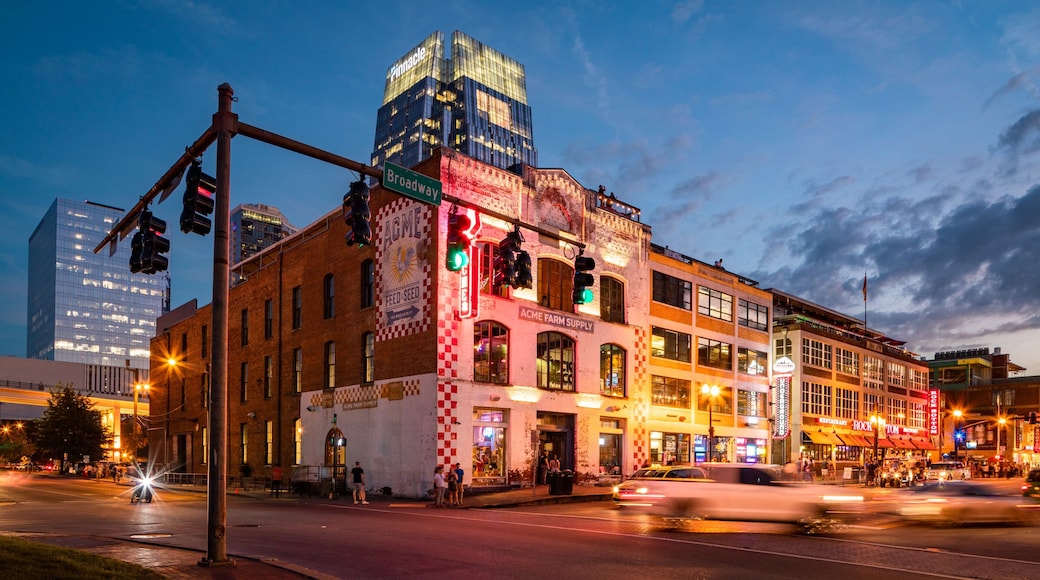
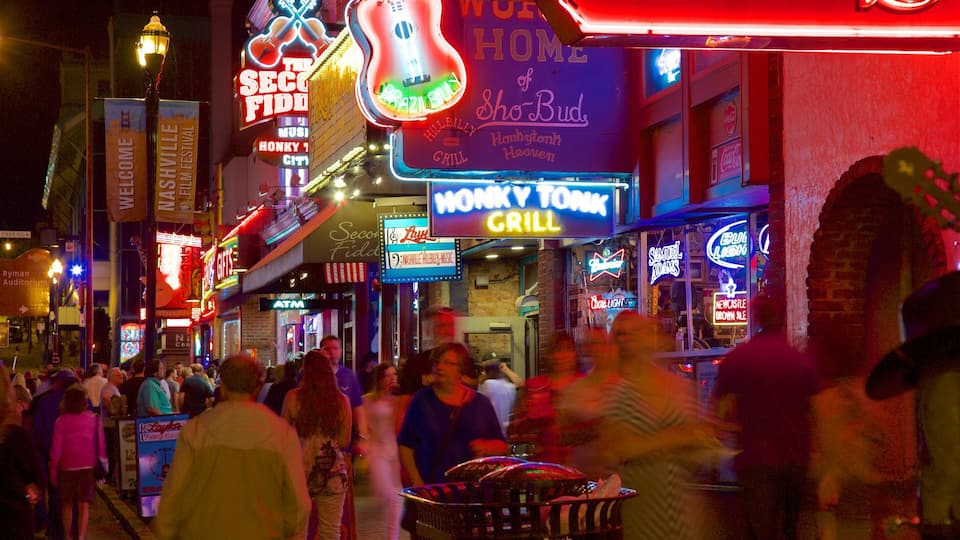
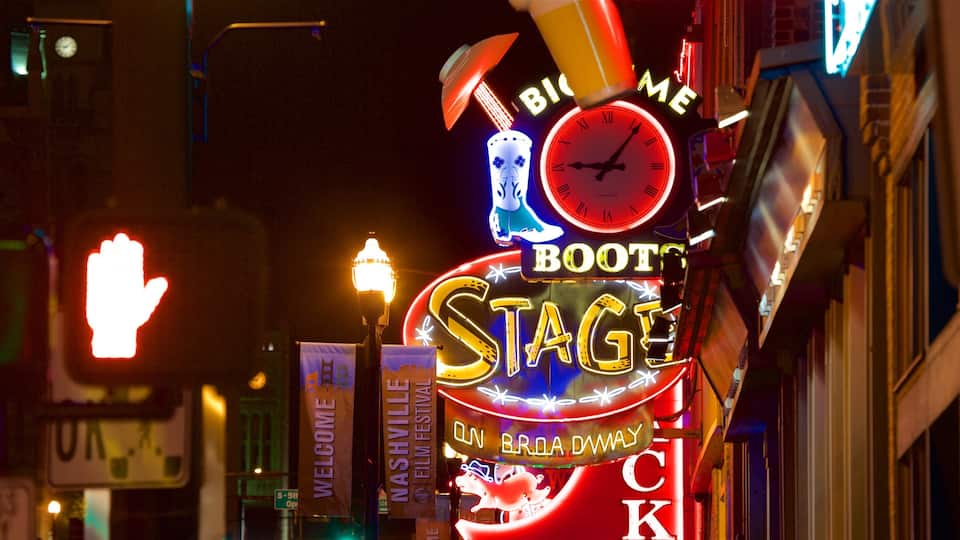
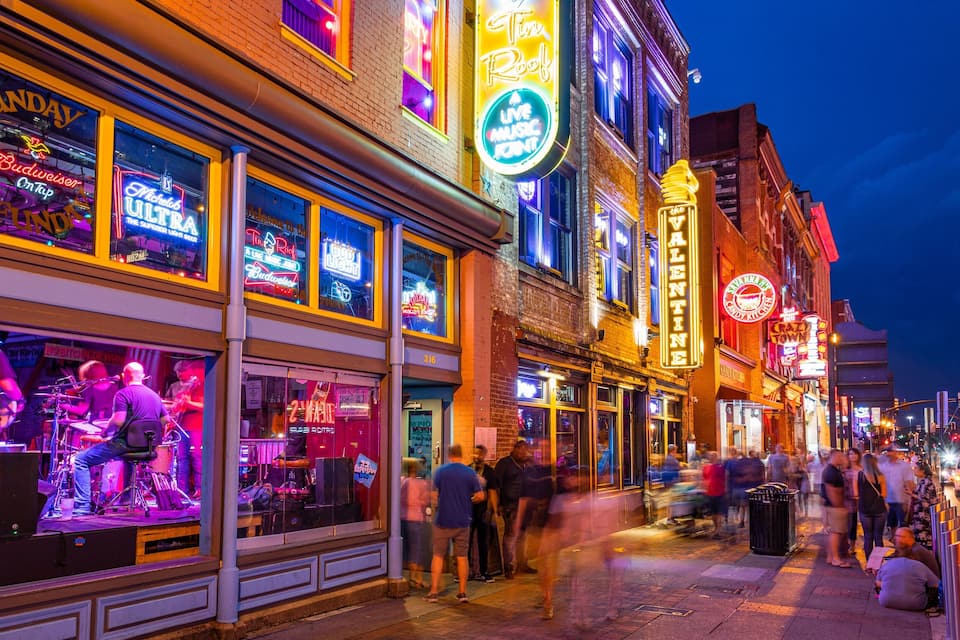
Between the Grand Ole Opry, the Country Music Hall of Fame and live shows every night of the week, see and hear why Music City earns its nickname.
Considered by many to be the world’s music capital, Nashville has attracted legends ranging from Johnny Cash and Patsy Cline to Jimi Hendrix. In addition to music, discover delicious Southern cuisine, live entertainment and sprawling parks in Tennessee's capital city.
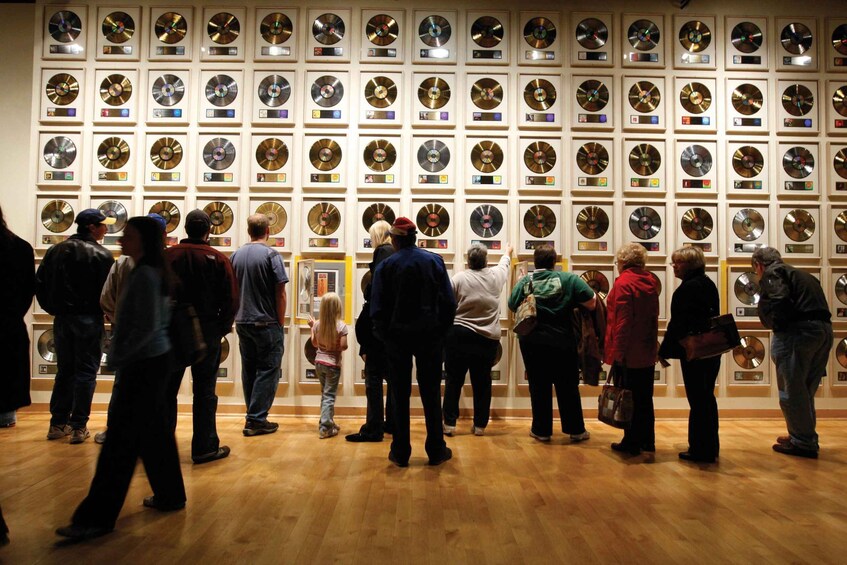
Join the audience at the Grand Ole Opry, America’s longest-running radio show. Learn about Nashville’s illustrious entertainment history at the Ryman Auditorium. Tour the Country Music Hall of Fame and Museum, which celebrates every country music genre, from Cajun to contemporary. Learn about the life and career of one of the city’s most legendary musicians at the Johnny Cash Museum.
Tour the many stately homes across Nashville. Visit the Hermitage, the estate and final resting place of Andrew Jackson, the 7th United States president. Experience a classic Southern plantation in Belle Meade. Visit the art collection and botanical gardens within the neo-Georgian manor of Cheekwood Estate and Gardens. Tour Fontanel Mansion, the family home of Country Music Hall of Fame member Barbara Mandrell.
Interactive exhibits of the Adventure Science Center arranged around the five senses, outer space and dinosaurs make it a family-friendly destination. Visit animals and the Grassmere Historic Home and Farm in the Nashville Zoo. In the Lane Motor Museum, see a unique collection of automobiles, trucks and motorcycles.
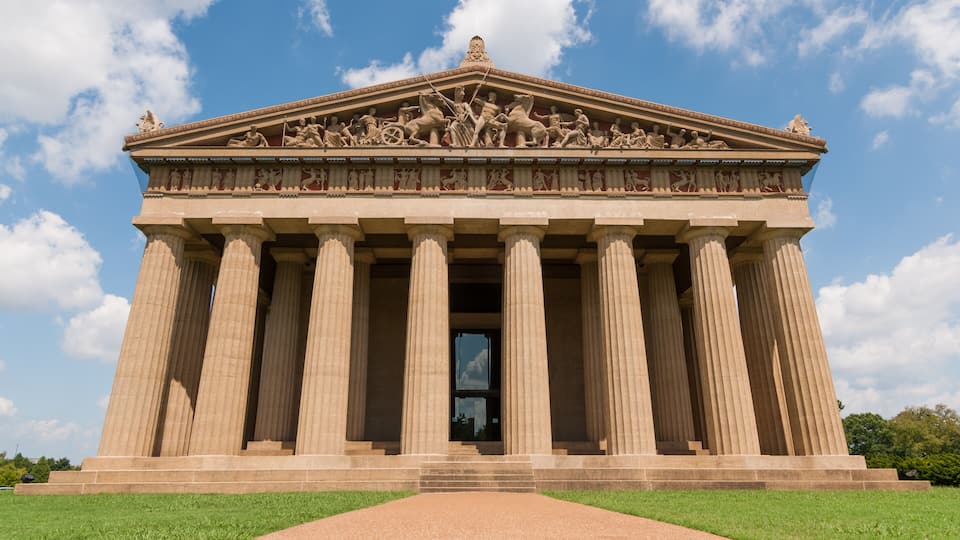
Admire architecture, art installations and decorative gardens in Centennial Park. Don’t miss the Parthenon, a full-scale replica of one of Greece’s most treasured monuments.
Enjoy Central Tennessee’s scenic beauty in Radnor Lake State Park. See an open-air concert in Riverfront Park, located downtown. Spot some of the hundreds of bird species in the wooded Edwin and Percy Warner Parks. Follow a riverside nature trail in Cumberland Park.
Learn about the state government at the Tennessee State Capitol. At the nearby Tennessee State Museum, understand the history of the South and see an impressive array of artifacts from the Civil War.
Nashville is a friendly city with a fascinating culture. Discover the charms of Music City for yourself.